
For all skin types
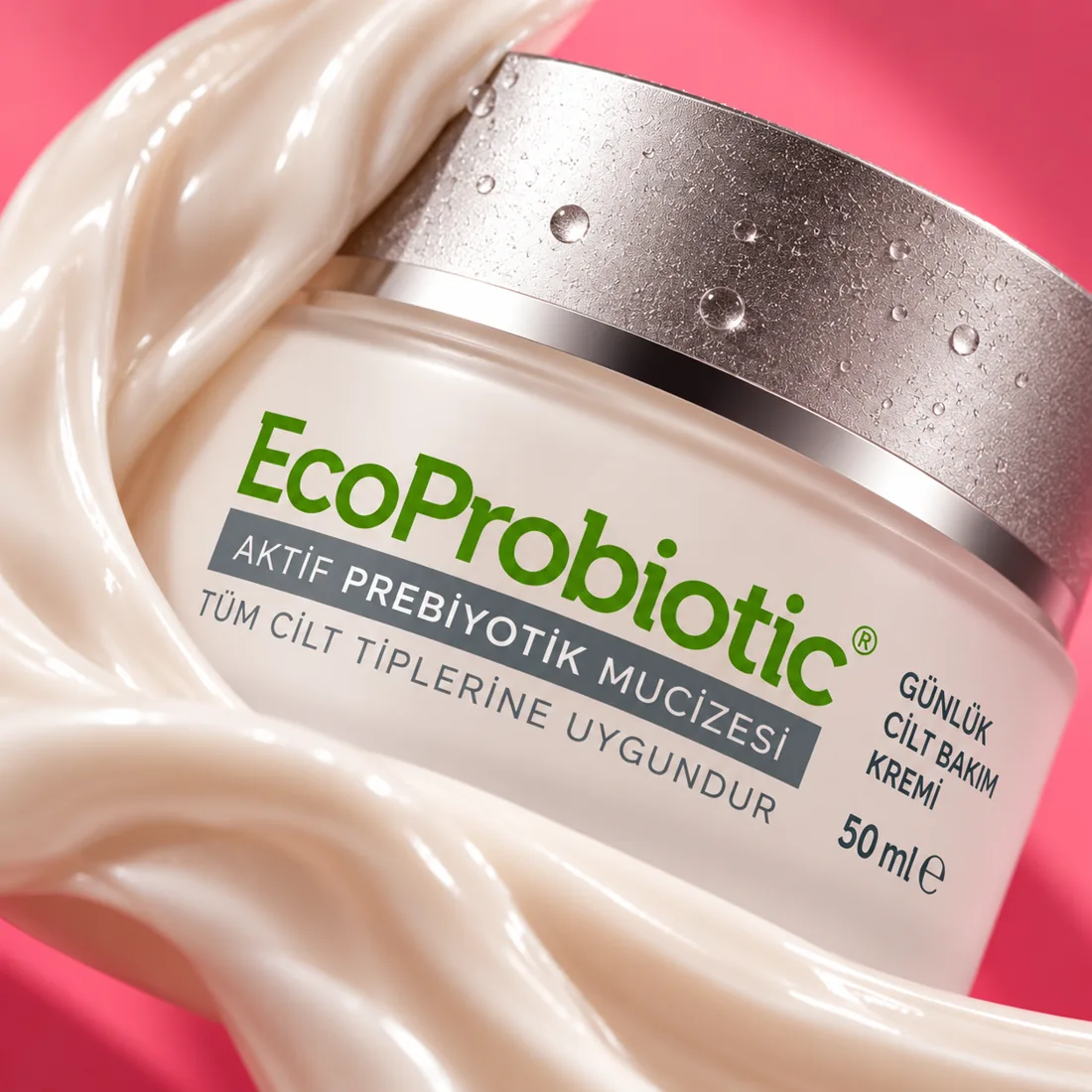
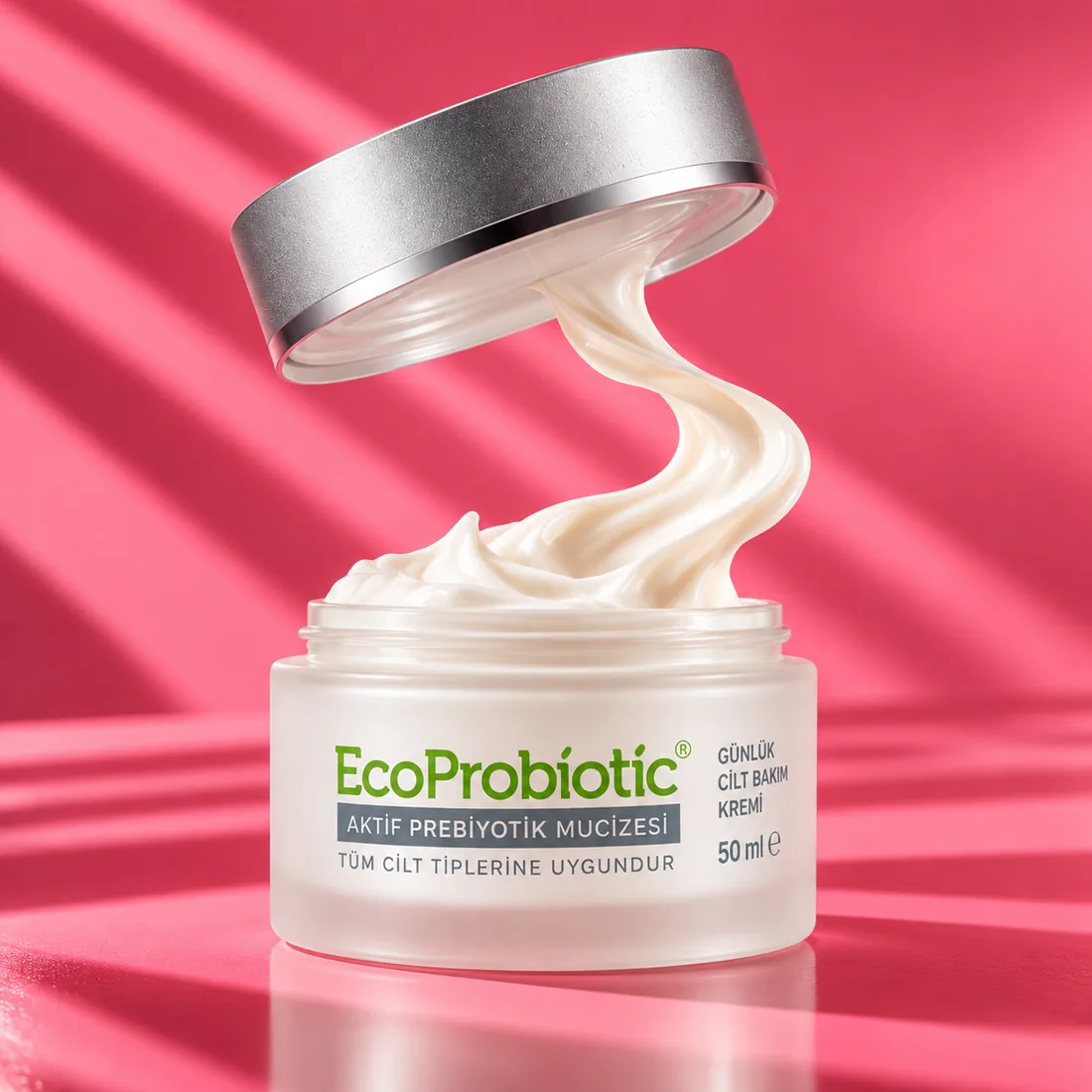
a prebiotic cream
If your cheeks get dry but your forehead shines, this formula is made for you. A light cream: it moisturises the dry areas without weighing down the oily ones.
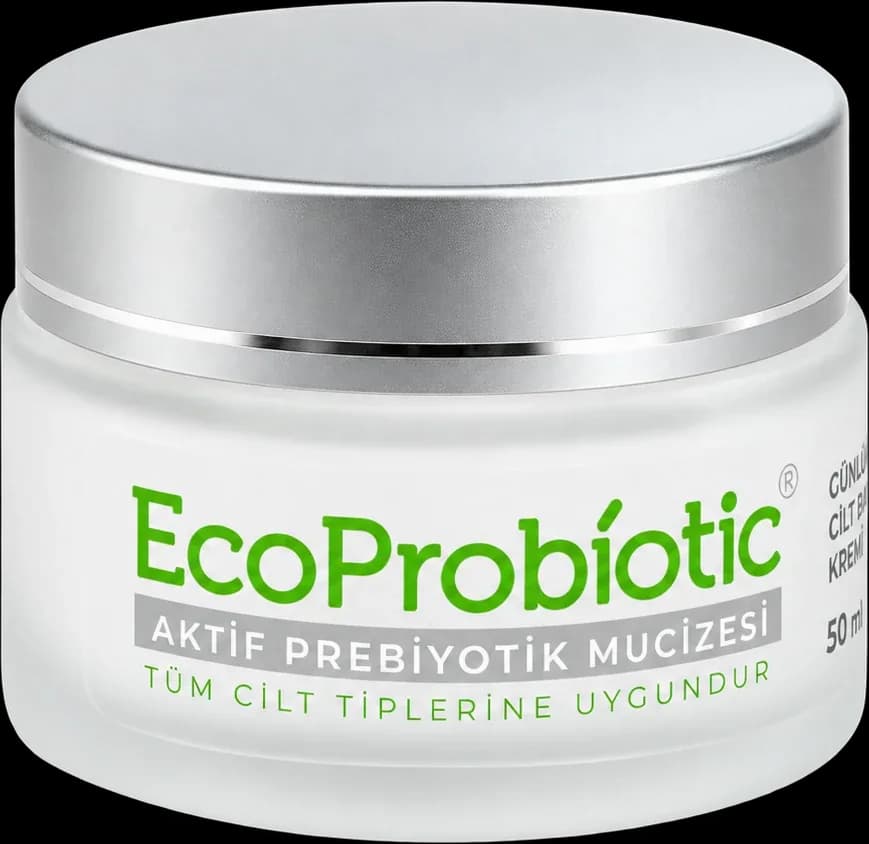 normal & combination skin
This formula is made for you
- Your cheeks feel tight by the evening.
- By midday your forehead and nose get a little shiny.
- Your make-up gathers in the dry spots.
Supports your barrier
The prebiotic formula helps repair a worn skin barrier.
Light texture
Softens dry areas without weighing down oily ones.
Great under make-up
With a thin layer, foundation won't look flaky on dry spots.
Texture: A light, water-based gel-cream. Absorbs instantly and never leaves skin sticky.
a little tip
Start with a thin layer over your whole face. If your cheeks still feel dry, add a little more there.
Thirty seconds,twice a day
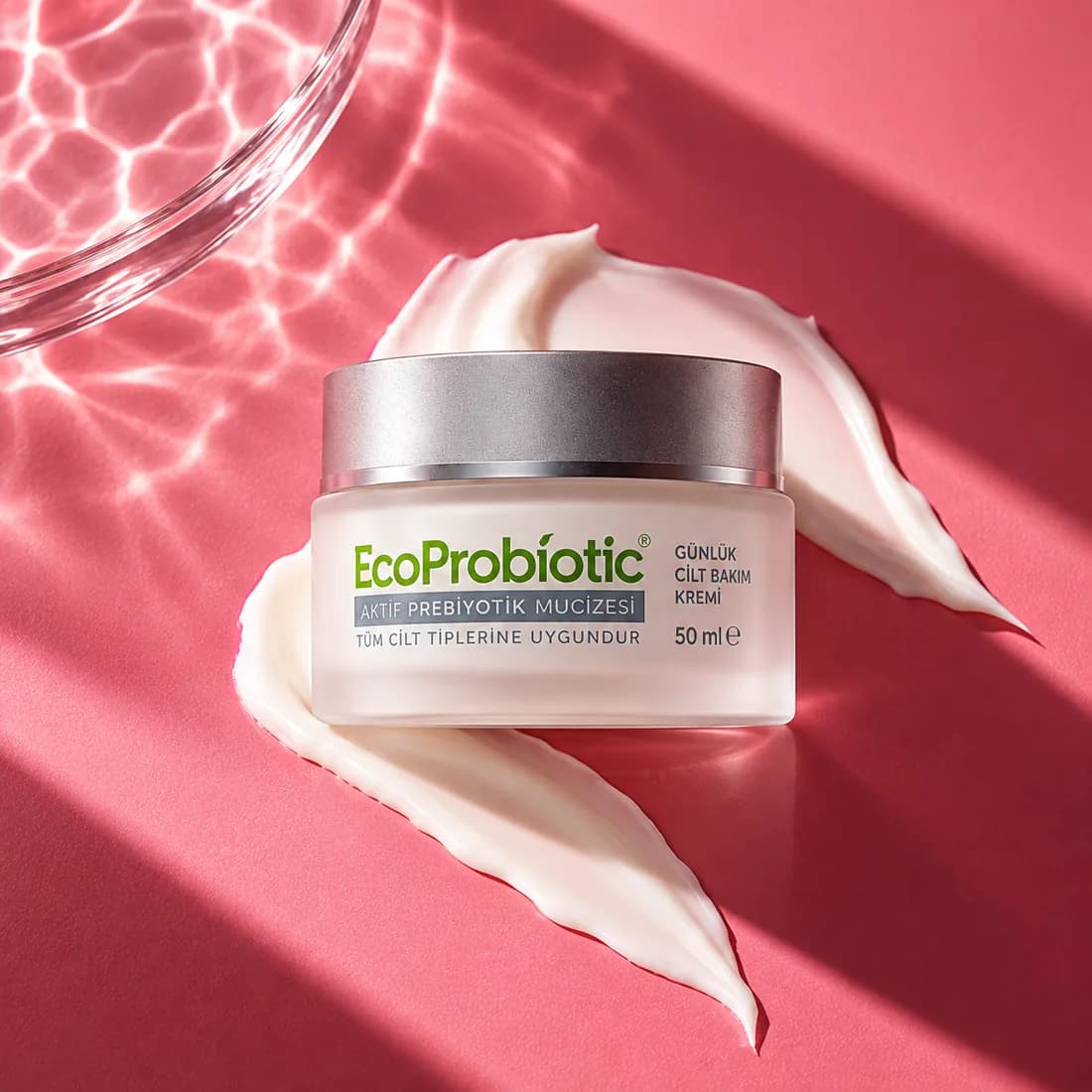 lukewarm water
Step 1
Wash your face
Wash with lukewarm water and pat dry with a towel, without rubbing. Leave your skin slightly damp.
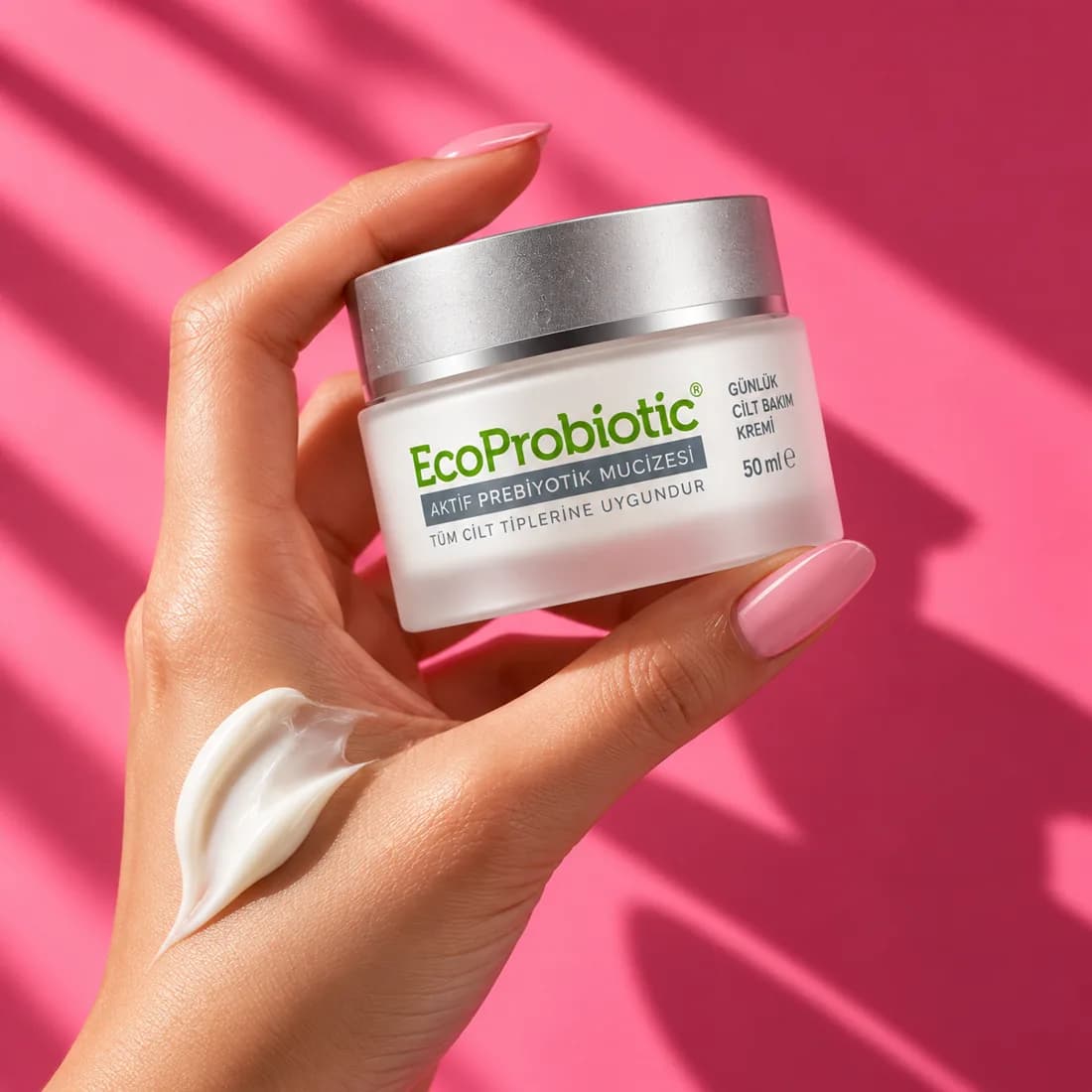 a pea-sized amount
Step 2
Take a pea-sized amount
Put a little on your fingertip. Dot it on your forehead, cheeks, chin and neck.
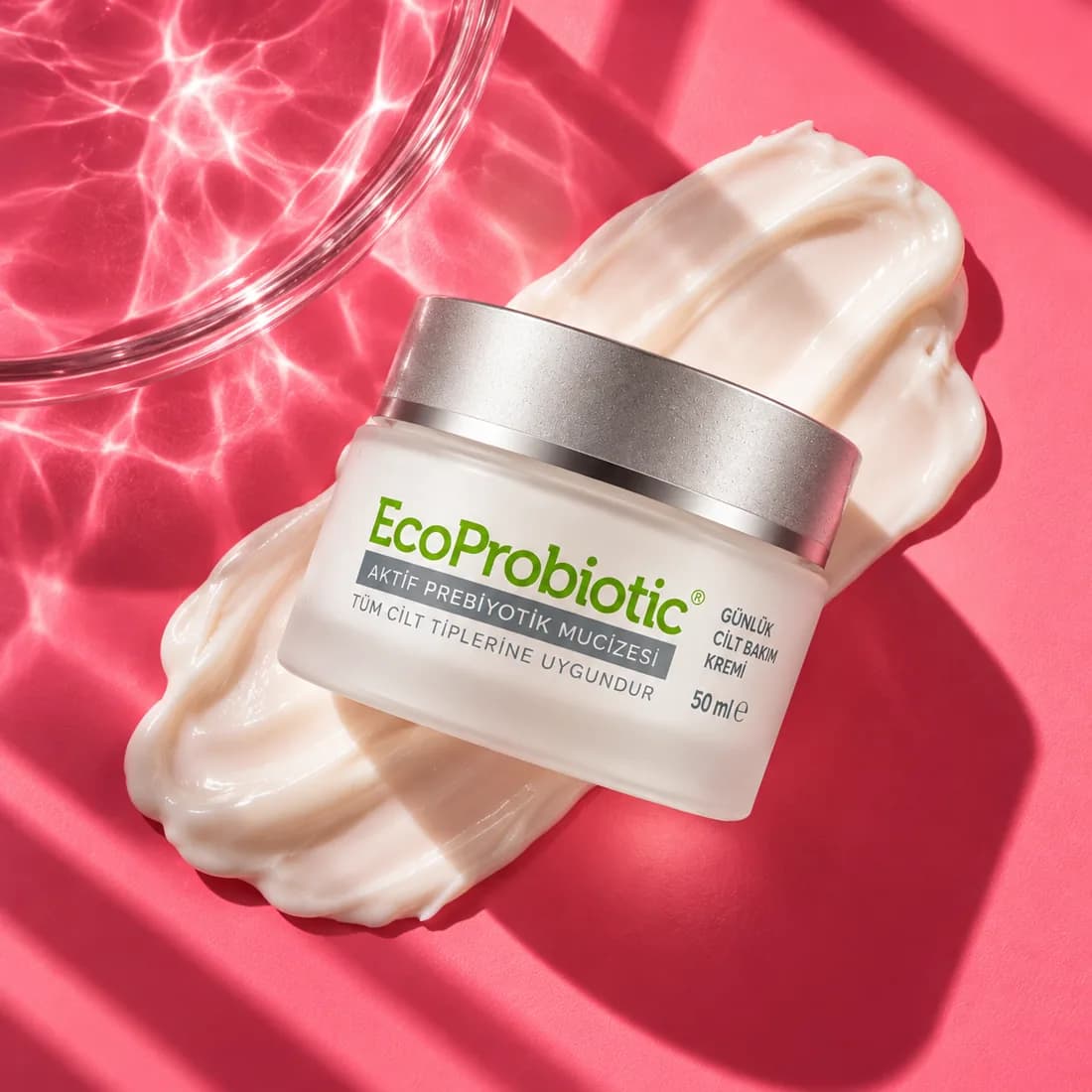 before sunscreen
Step 3
Spread and leave
Spread it gently upwards. Wait a minute or two, then move on to sunscreen and make-up.
Scientific basis
Key studies on the ingredients in this formula. These studies were not carried out with our cream.
- Randomised controlled trial · Hong et al., 2020A double-blind, placebo-controlled study of 60 people. Over 8 weeks, a serum containing a prebiotic (galacto-oligosaccharide) made a significant difference compared with placebo in the skin's water-holding capacity, transepidermal water loss and redness; the diversity of the skin microbiome increased.
- Clinical study · Zhang et al., 2024110 people with sensitive facial skin used a cream containing prebiotics twice a day for 28 days. Skin moisture increased, and transepidermal water loss and redness decreased. There was no control group.
- Basic science · Umino et al., 2019Xylitol, a sugar alcohol with prebiotic properties, was shown to speed up barrier recovery in human skin damaged with tape.
- Review · Rawlings and Harding, 2004Explains how the water, natural moisturising factors and fats in the skin's upper layer relate to barrier function.
You might like to read
Why does your skin feel tight? What you need to know about the skin barrier5 min read · 7 sources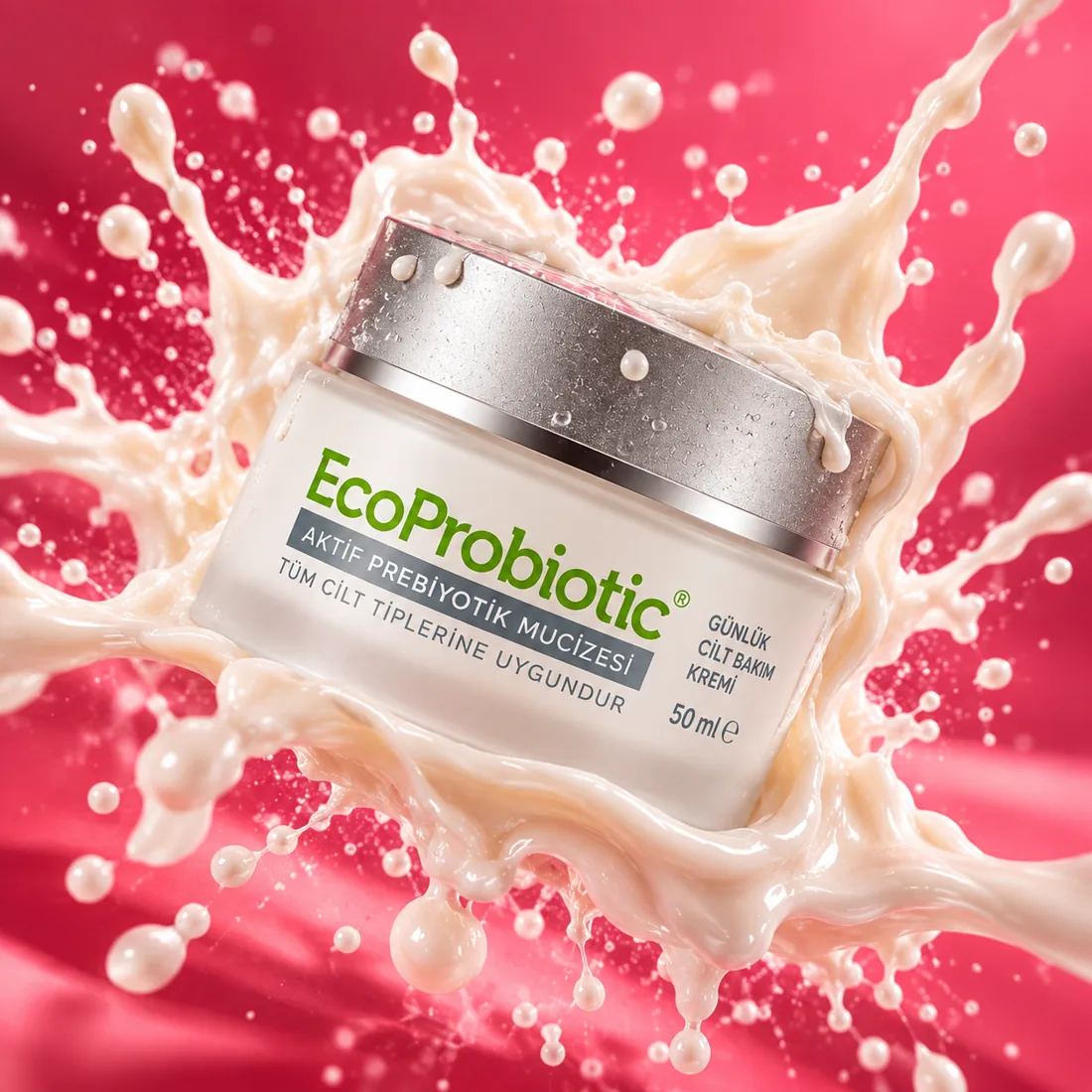 What does a prebiotic cream mean? Does it contain bacteria?6 min read · 10 sources
 The invisible community living on your skin: the skin microbiome4 min read · 5 sources
 I have oily skin. Should I still use a moisturiser?4 min read · 3 sources